Short answer
Businesses use IoT to collect data from the physical world automatically and act on it: monitoring equipment and consumption, controlling temperature, measuring stock, running self-service equipment and reducing manual work in stocktaking and inspections.
Typical uses
- Manufacturing — machine running time, downtime, vibration, temperature.
- Logistics and warehousing — temperature, humidity, location.
- Services — controlling and taking payment for self-service equipment.
- Energy — measuring and optimising consumption.
- Retail and hospitality — measuring stock and stocktaking.
Examples from our work
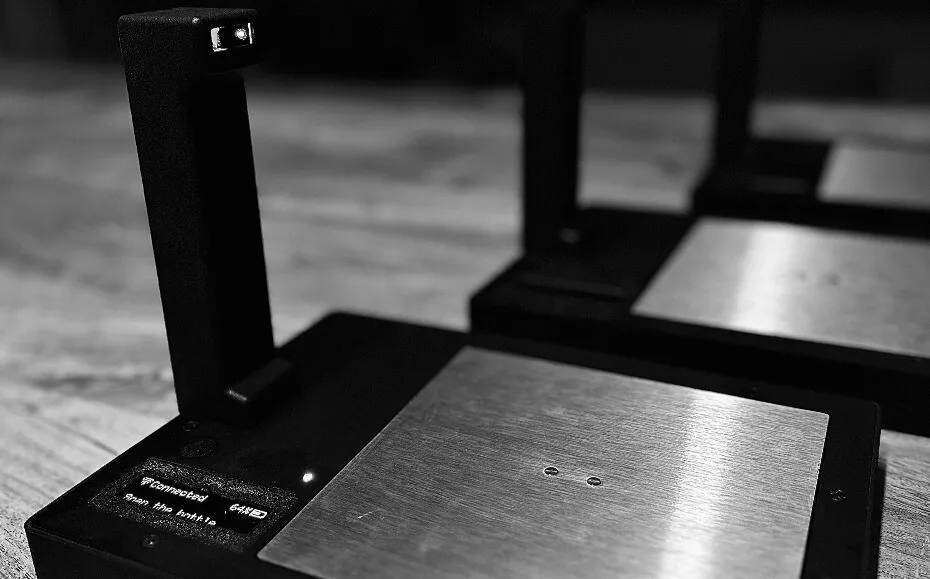
Barspector — a mobile device that recognises a drink, weighs the bottle and sends the data over Wi-Fi to a customer portal. Bars spend up to 60% less time on stocktaking.
Self-service car washes — an Android and iOS app that lets customers pay for and control the wash; the hardware integration uses the HTTP and MQTT protocols.
Where to start
Start with one measurement that is done by hand today, or not at all, but whose absence costs money. See how to build an IoT device prototype.